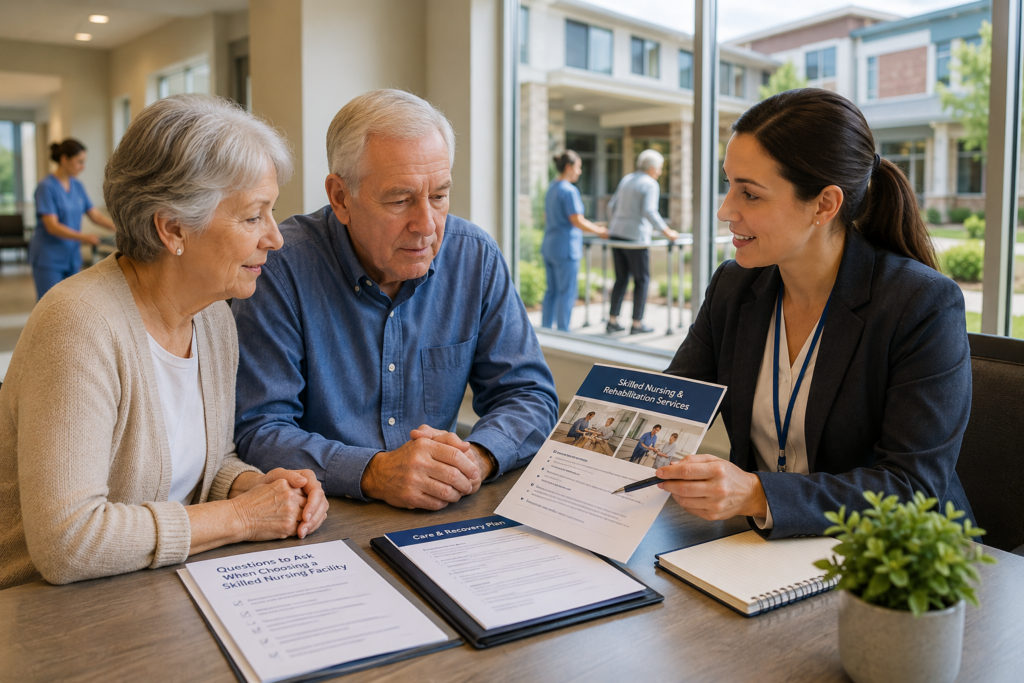
Choosing a skilled nursing facility after a hospital stay is one of the most important healthcare decisions many families will ever make. Whether your loved one is recovering from surgery, a serious illness, a stroke, or a fall, the quality of post-hospital rehabilitation can significantly affect recovery, independence, and overall quality of life.
Unfortunately, families are often asked to make this decision quickly while their loved one is still in the hospital. Feeling overwhelmed is common, especially if you’ve never evaluated a skilled nursing facility before.
Understanding what skilled nursing facilities provide, what questions to ask, and which warning signs to avoid can help you make a confident, informed decision during an already stressful time.
What Is a Skilled Nursing Facility?
A skilled nursing facility (SNF) provides short-term medical care and rehabilitation services for patients who no longer require hospitalization but are not yet ready to safely return home.
Unlike assisted living communities, skilled nursing facilities provide licensed medical professionals around the clock.
Services commonly include:
- Registered nursing care
- Medication management
- Physical therapy
- Occupational therapy
- Speech therapy
- Wound care
- IV medications
- Pain management
- Nutritional support
- Recovery after orthopedic surgery
- Stroke rehabilitation
- Cardiac recovery
- Respiratory therapy
Many patients stay only a few weeks before returning home, while others may require longer rehabilitation depending on their medical condition.
Why the Choice Matters
Not all skilled nursing facilities offer the same level of care.
Differences may include:
- Staff experience
- Therapy availability
- Nurse-to-patient ratios
- Infection control practices
- Cleanliness
- Rehabilitation success rates
- Communication with families
- Hospital readmission rates
A facility that provides excellent rehabilitation may help someone regain independence much faster than one with fewer therapy resources.
Because of this, families should avoid choosing solely based on location or convenience whenever possible.
Start Planning Before Hospital Discharge
Many hospitals have discharge planners or case managers who assist families with post-hospital care.
Ask to meet with them as early as possible.
Important questions include:
- Why is skilled nursing recommended?
- How long is rehabilitation expected?
- What type of therapy will be needed?
- Which facilities specialize in this diagnosis?
- Which facilities currently have available beds?
- What transportation arrangements will be made?
Remember that hospitals can recommend facilities, but the final decision belongs to the patient and family.
Take time to review multiple options whenever possible.
Verify Medicare and Insurance Coverage
Before selecting a facility, confirm that it accepts your insurance.
For Medicare patients, ask:
- Is the facility Medicare-certified?
- Is it in-network for Medicare Advantage?
- What services are covered?
- How many rehabilitation days are covered?
- What costs begin after Medicare coverage ends?
- Are therapy services billed separately?
Understanding coverage before admission helps prevent unexpected financial surprises later.
Research Quality Ratings
One of the easiest places to begin comparing facilities is by reviewing publicly available quality information.
Look for:
- Overall quality ratings
- Health inspection history
- Staffing levels
- Quality measures
- Hospital readmission rates
- Infection prevention history
Ratings should never be the only deciding factor, but they provide an excellent starting point for narrowing your choices.
Visit the Facility If Possible
A personal visit often reveals details that websites and brochures cannot.
As you walk through the building, pay attention to:
Cleanliness
The facility should appear clean throughout.
Watch for:
- Clean floors
- Fresh-smelling rooms
- Well-maintained bathrooms
- Sanitizing stations
- Proper housekeeping
Some medical odors are unavoidable, but strong unpleasant smells throughout the building may indicate problems.
Resident Appearance
Residents should appear:
- Clean
- Properly dressed
- Comfortable
- Engaged
- Well groomed
Observe whether staff interact respectfully and patiently.
Friendly conversations between staff and residents often reflect a positive culture.
Staff Interactions
Watch how employees communicate.
Look for staff members who:
- Smile
- Introduce themselves
- Answer questions respectfully
- Respond promptly to call lights
- Speak directly to residents instead of over them
- Treat every resident with dignity
Positive staff attitudes often translate into better patient experiences.
Evaluate the Rehabilitation Program
For many patients, rehabilitation is the primary reason for entering a skilled nursing facility.
Ask questions such as:
- How many therapy sessions are provided each week?
- Are therapists employed by the facility?
- Is therapy available seven days a week?
- Are individualized therapy plans created?
- How is progress measured?
- How often are goals updated?
The strongest rehabilitation programs emphasize measurable progress and regular communication with patients and families.
Questions to Ask Before Choosing a Skilled Nursing Facility
Once you’ve narrowed your options, schedule a tour or speak with the admissions coordinator. Having a prepared list of questions helps you compare facilities objectively.
Consider asking:
Medical Care
- Is a registered nurse available 24 hours a day?
- How often does a physician visit residents?
- Are nurse practitioners or physician assistants on-site?
- How are medical emergencies handled?
- Which nearby hospital do you typically use if a resident needs emergency care?
Rehabilitation Services
- How soon after admission does therapy begin?
- How many days each week is therapy provided?
- How long is each therapy session?
- Will therapy goals be reviewed with the family?
- Can therapy schedules be adjusted to accommodate the patient’s energy level?
Communication
Families often become frustrated when they struggle to receive updates.
Ask:
- Who is my primary point of contact?
- How often will progress updates be provided?
- Are care conferences scheduled regularly?
- Can family members participate by phone or video if they cannot attend in person?
Facilities that prioritize communication usually provide a smoother rehabilitation experience for both patients and caregivers.
Pay Attention to Staffing Levels
One of the strongest indicators of quality care is adequate staffing.
Facilities with experienced nurses, certified nursing assistants (CNAs), therapists, and support staff are often better able to respond quickly to residents’ needs.
While touring, observe:
- Are staff members rushed?
- Do residents wait a long time after using a call light?
- Are employees interacting kindly with residents?
- Do staff know residents by name?
- Does the atmosphere appear calm and organized?
High staff turnover can sometimes affect continuity of care, so it’s reasonable to ask how long nurses and therapists typically remain employed at the facility.
Infection Prevention Is More Important Than Ever
Older adults recovering from hospitalization are often more vulnerable to infections.
Ask how the facility manages:
- Hand hygiene
- Cleaning schedules
- Isolation procedures
- Respiratory illnesses
- COVID-19 protocols
- Influenza outbreaks
- Visitor guidelines
A facility should be able to clearly explain its infection prevention practices and how it protects residents while still allowing family involvement whenever possible.
Evaluate the Dining Experience
Nutrition plays an important role in healing.
If possible, observe a meal being served.
Notice:
- Does the food appear appetizing?
- Are special diets accommodated?
- Are residents assisted respectfully if needed?
- Is hydration encouraged?
- Can family members discuss dietary concerns with a dietitian?
Patients recovering from surgery or illness often require higher protein intake or specialized diets, making nutritional support an important part of rehabilitation.
Understand the Discharge Planning Process
The goal of short-term skilled nursing care is usually to help patients return home safely.
Ask early about discharge planning.
Questions include:
- How is discharge readiness determined?
- Will the home be evaluated for safety?
- Are home health services arranged?
- Will equipment such as walkers or hospital beds be ordered?
- Are family caregivers trained before discharge?
Facilities that begin discharge planning shortly after admission are often better prepared to ensure a successful transition home.
Include Your Loved One in the Decision
Whenever possible, include the patient in discussions and facility visits.
Even if medical needs are the primary concern, personal preferences matter.
Ask your loved one about:
- Room preferences
- Therapy goals
- Food quality
- Activity opportunities
- Overall comfort
- Staff friendliness
Feeling respected and involved can improve morale and encourage active participation in rehabilitation.
Watch for These Warning Signs
While no facility is perfect, certain red flags deserve careful attention.
Be cautious if you notice:
- Strong odors throughout the building
- Dirty common areas
- Residents left unattended for long periods
- Staff who appear rushed or impatient
- Call lights ringing continuously
- Poor communication from administrators
- High employee turnover
- Unanswered questions during the tour
- Residents who appear withdrawn or neglected
If something feels uncomfortable during your visit, trust your instincts and continue evaluating other options if available.
Preparing for Admission
Once you’ve selected a skilled nursing facility, gather important documents before admission.
These commonly include:
- Insurance cards
- Medicare information
- Medication list
- Advance directives
- Power of attorney documents
- Hospital discharge paperwork
- Primary care physician information
- Emergency contact information
- Comfortable clothing
- Eyeglasses
- Hearing aids
- Dentures
- CPAP equipment if applicable
- Mobility devices
Label personal belongings whenever possible.
Frequently Asked Questions
How long do most people stay in a skilled nursing facility?
Many patients stay between two and six weeks, although recovery depends on individual medical needs, therapy progress, and physician recommendations.
Can family members visit every day?
Most facilities encourage family involvement and visiting, although visitation policies may vary during infectious disease outbreaks or other special circumstances.
Will Medicare pay for skilled nursing care?
Medicare may cover eligible short-term skilled nursing care following a qualifying hospital stay if specific coverage requirements are met. Coverage varies depending on the individual’s situation and insurance plan.
Can someone choose any skilled nursing facility?
In most cases, patients have the right to choose among available facilities that accept their insurance and have an appropriate bed available.
What happens after rehabilitation is complete?
Many patients return home with home health services, outpatient therapy, or assistance from family caregivers. Others may require additional long-term care depending on their health and recovery.
Key Takeaways
Choosing a skilled nursing facility after a hospital stay involves much more than finding the closest location.
Take time to compare facilities based on:
- Quality ratings
- Rehabilitation programs
- Staffing levels
- Cleanliness
- Communication
- Safety practices
- Therapy availability
- Patient-centered care
Asking thoughtful questions and visiting facilities whenever possible can help ensure your loved one receives the support needed for a safe recovery and successful return home.
Conclusion
Selecting a skilled nursing facility is often one of the first major decisions families face after a hospitalization. While the process may feel overwhelming, careful research, facility visits, and open communication with healthcare providers can make the decision much easier.
Focus on finding a facility that provides high-quality medical care, strong rehabilitation services, compassionate staff, and clear communication with families. Taking a little extra time before making your choice can significantly improve recovery, reduce stress, and help your loved one regain as much independence as possible.
Related Articles
Emergency Preparedness for Seniors Living Alone
What Legal Documents Should Every Senior Have?
What Is an Advance Directive? A Complete Guide for Seniors and Family Caregivers
What Is a Durable Power of Attorney? A Guide for Seniors and Caregivers
How Caregivers Can Help Seniors Organize Important Legal Documents